
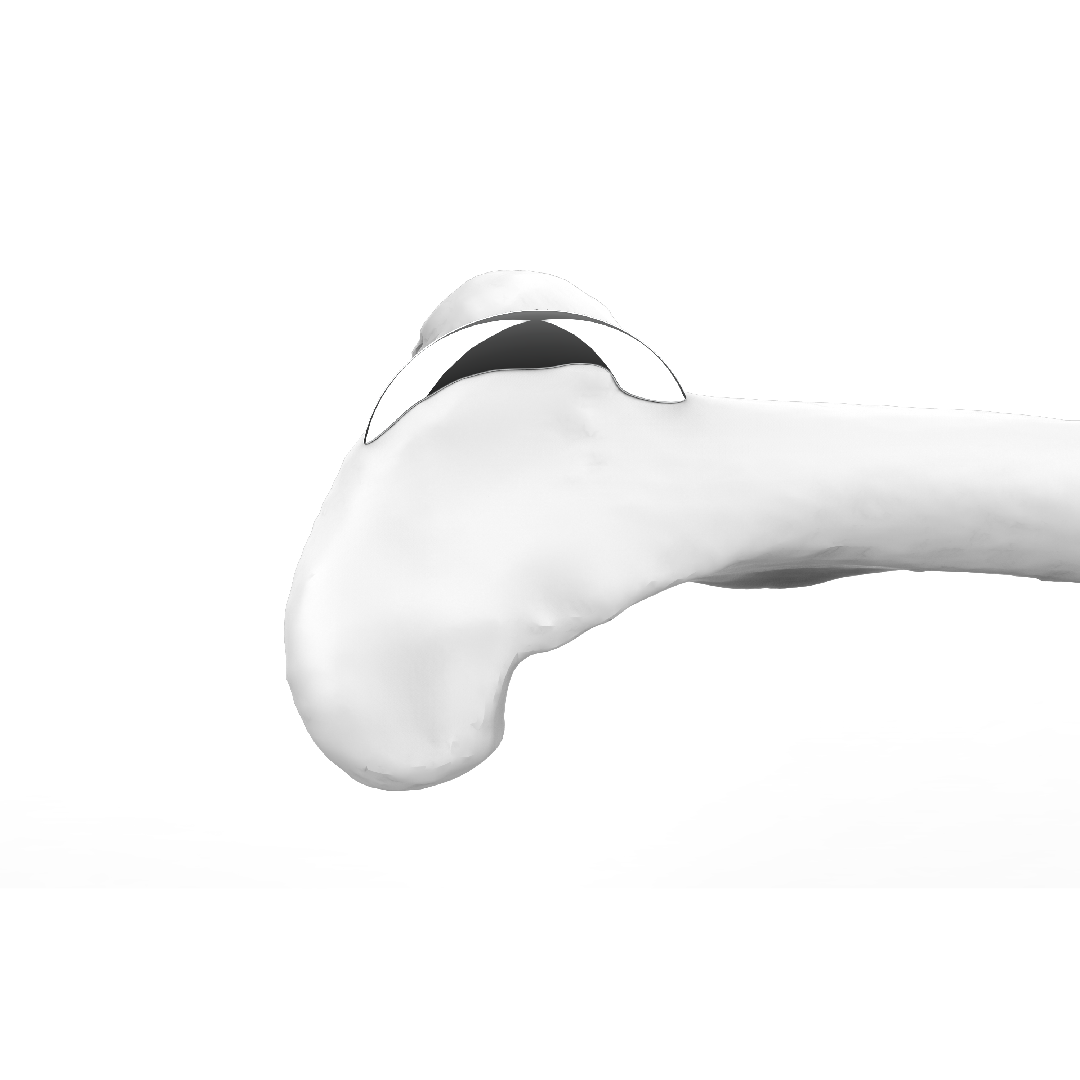
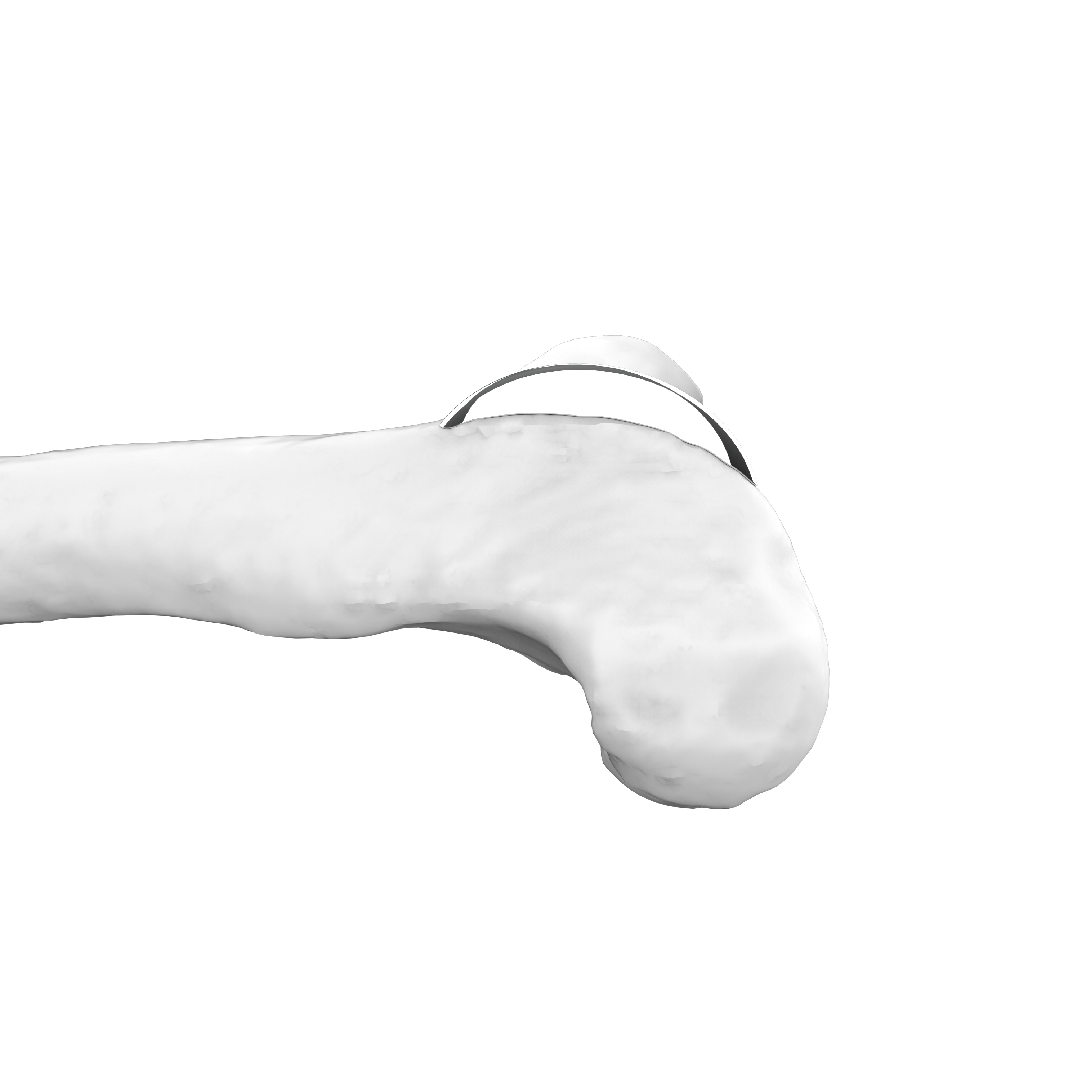
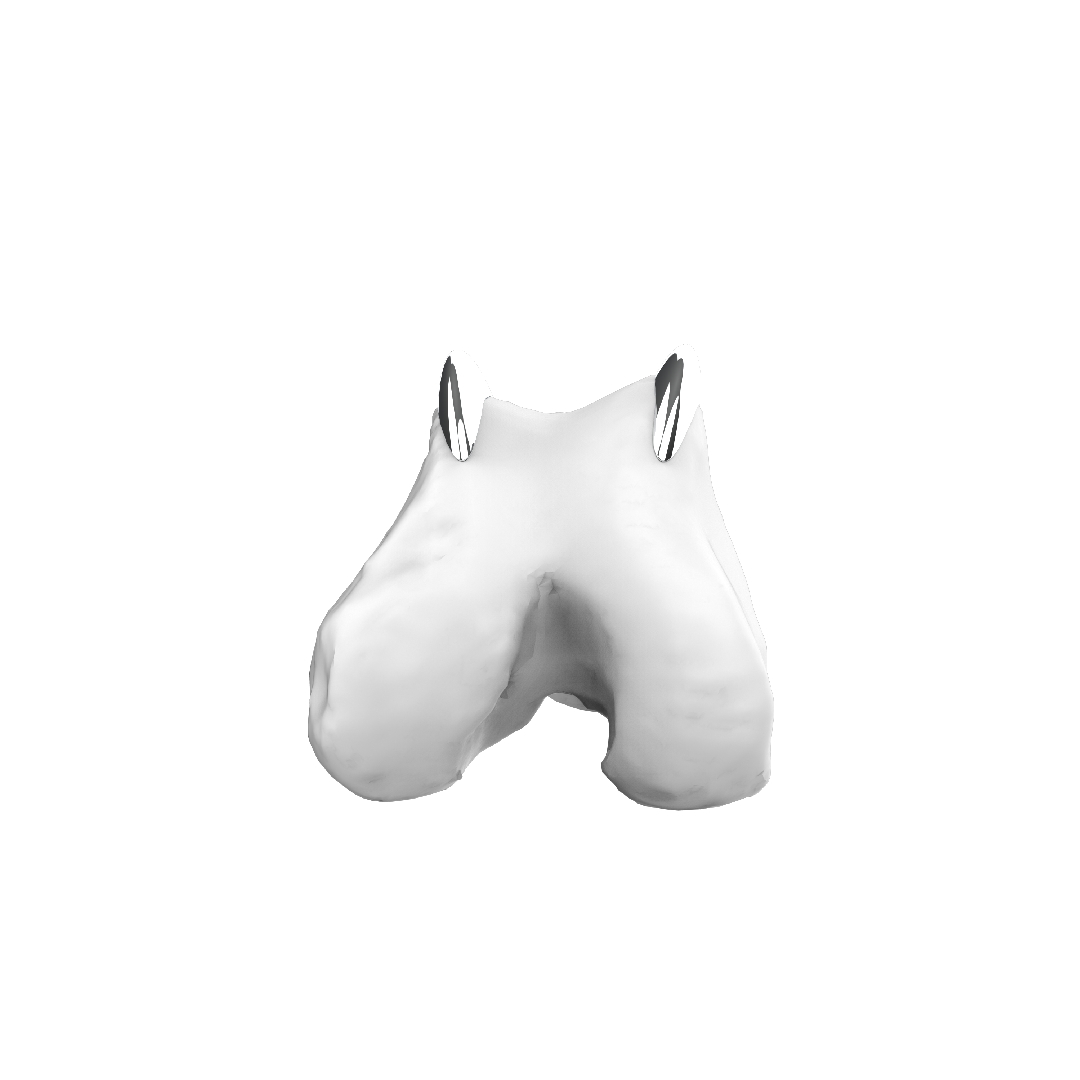

TRP in cats
Designed to adapt to feline anatomy
Patellar luxation is not exclusive to dogs; it can also affect cats, although it is less frequently described in the literature.
In cats this condition has specific clinical and anatomical characteristics that require a dedicated approach.
Cats show greater joint laxity than dogs. While in dogs luxation is generally classified as medial or lateral, in cats both conditions frequently coexist, with multidirectional patellar instability.
High-grade luxations (III-IV) may also be observed even without significant skeletal deformities.
Feline joint anatomy has several relevant features:
- A physiologically shallower trochlear groove than in dogs
- A greater ratio between patellar width and trochlear width
These conditions influence patellar stability and the surgical approach.
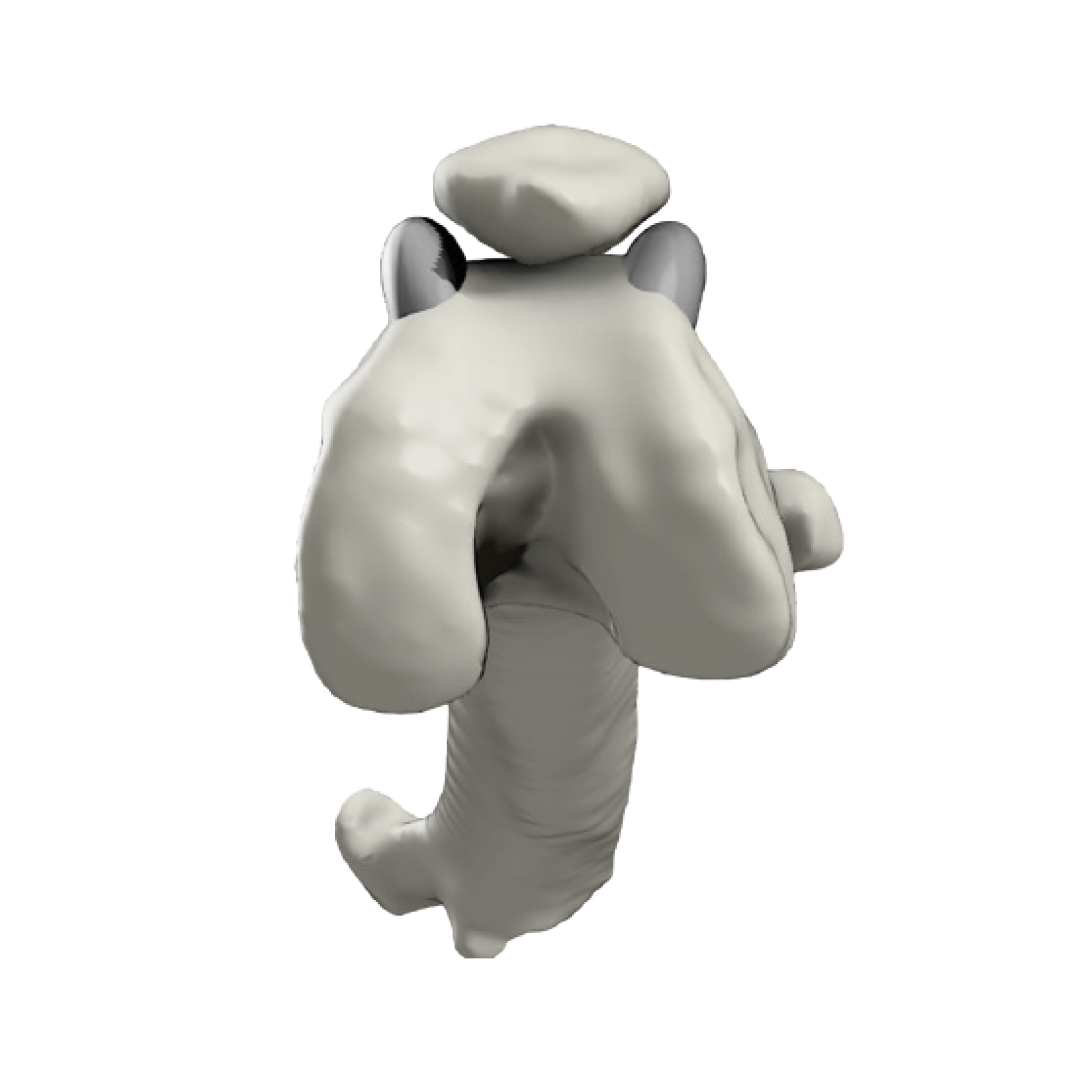
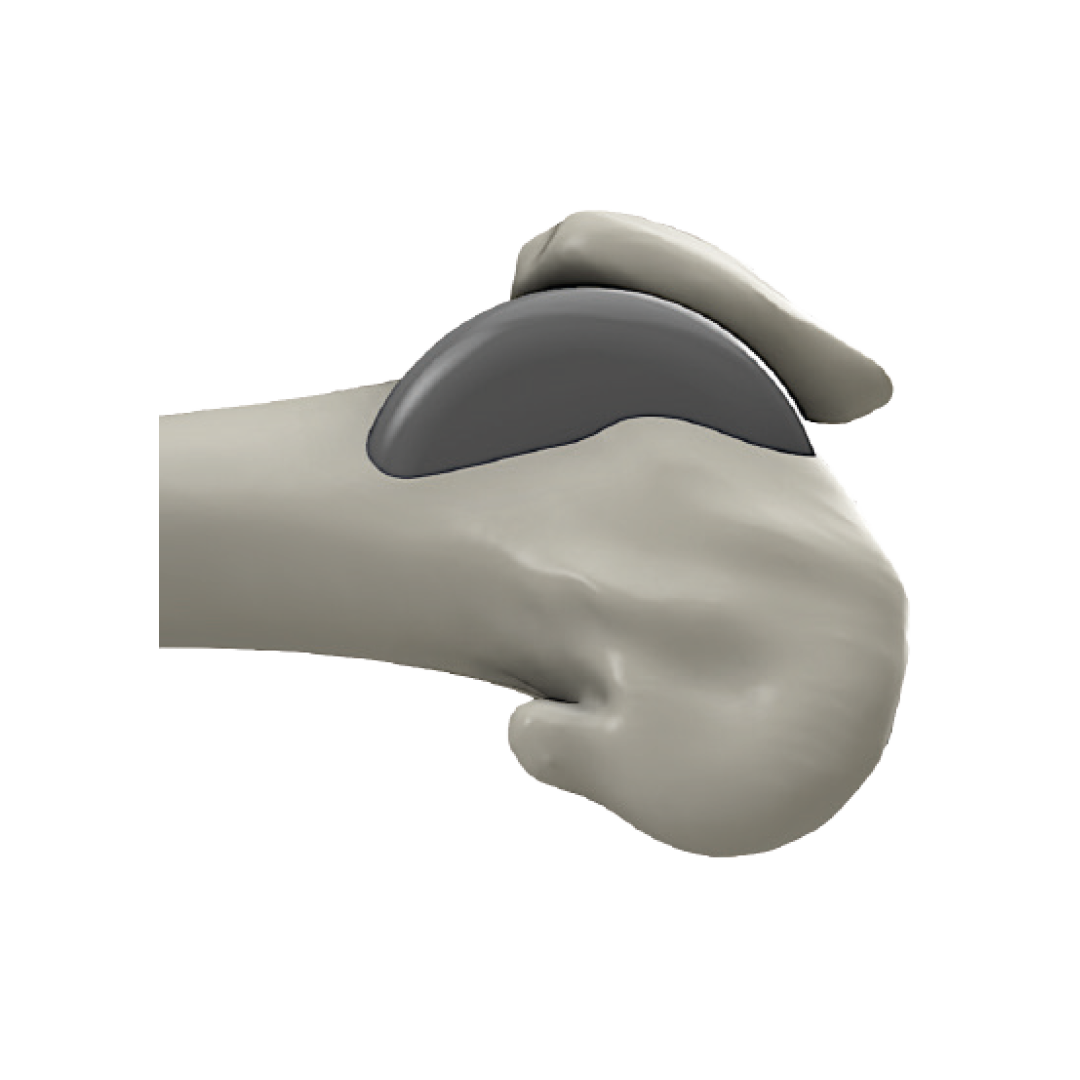
TRP approach
TRP allows treatment while respecting the patient's joint anatomy.
The implant is designed to:
- raise the trochlear ridges as needed
- improve patellar containment
- adapt to the specific morphology of the cat's knee
This approach also allows complex cases to be treated without invasive bone modifications.
Advantages in cats
- Precise adaptation to patient anatomy
- Improved patellar containment in complex instability
- No need for additional procedures on the patella
- Conservative approach to joint structures