
Advantages
- Conservative approach
- Respect for joint anatomy
- Precise adaptation to the bone
- Reduced surgical invasiveness
- Improved control of patellar positioning

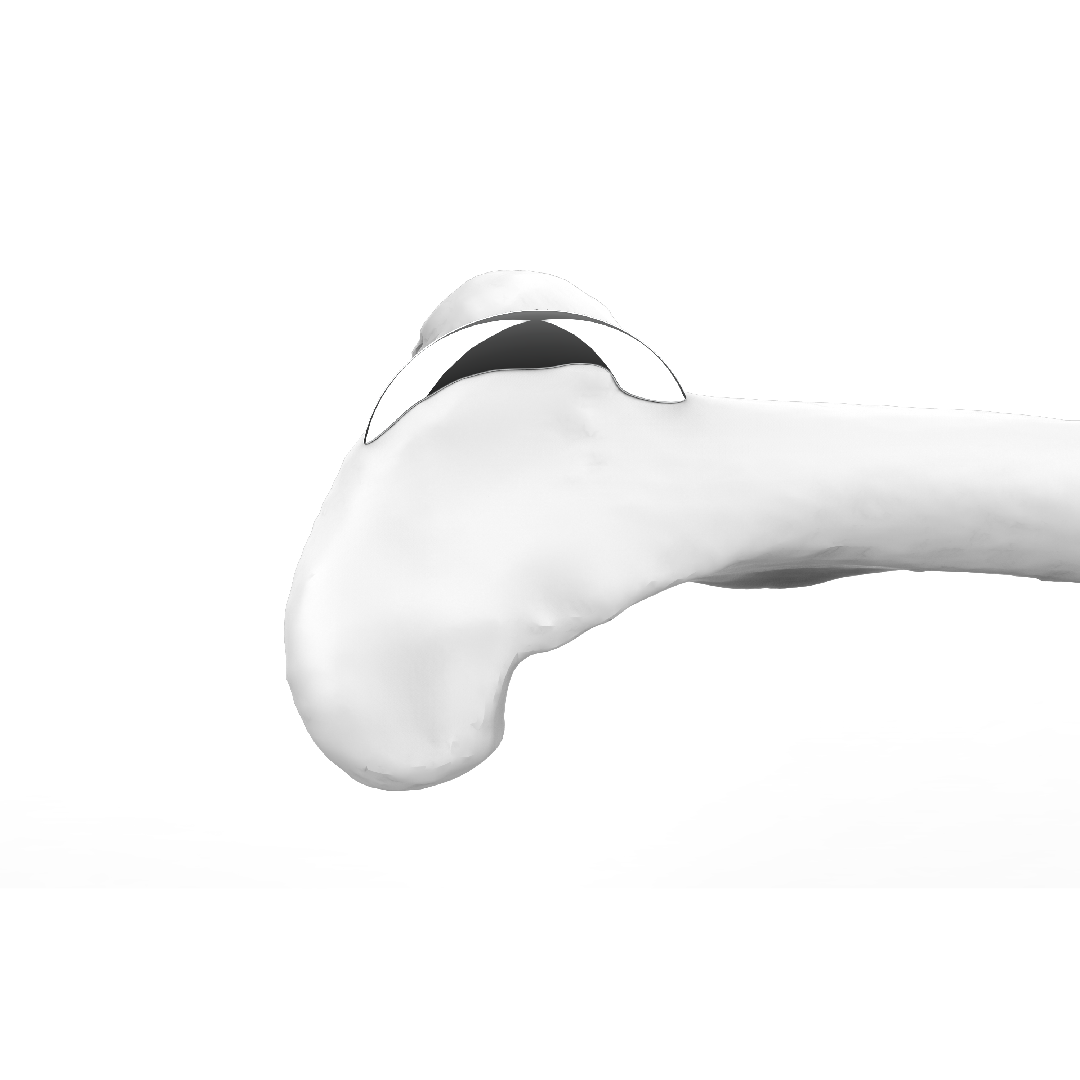
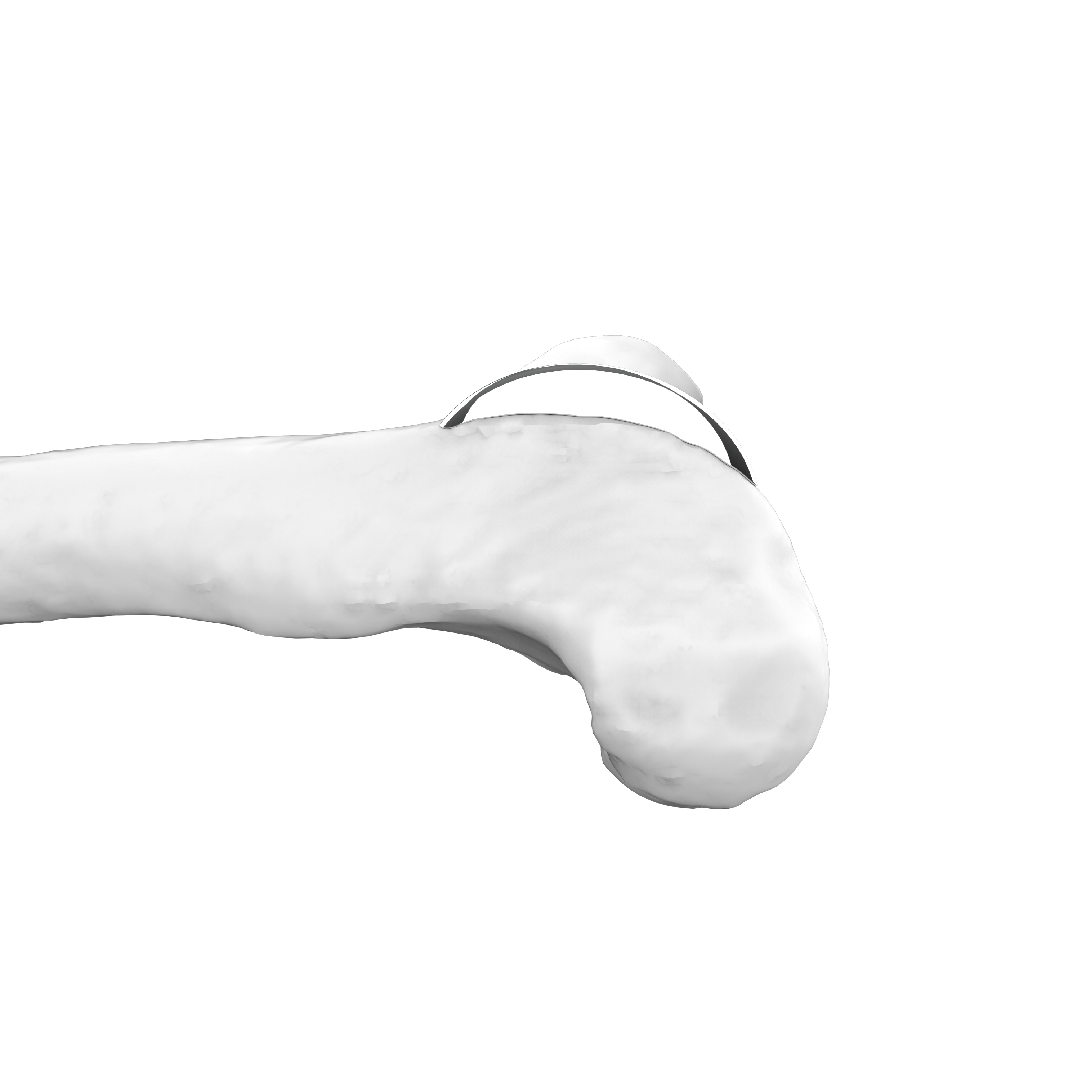
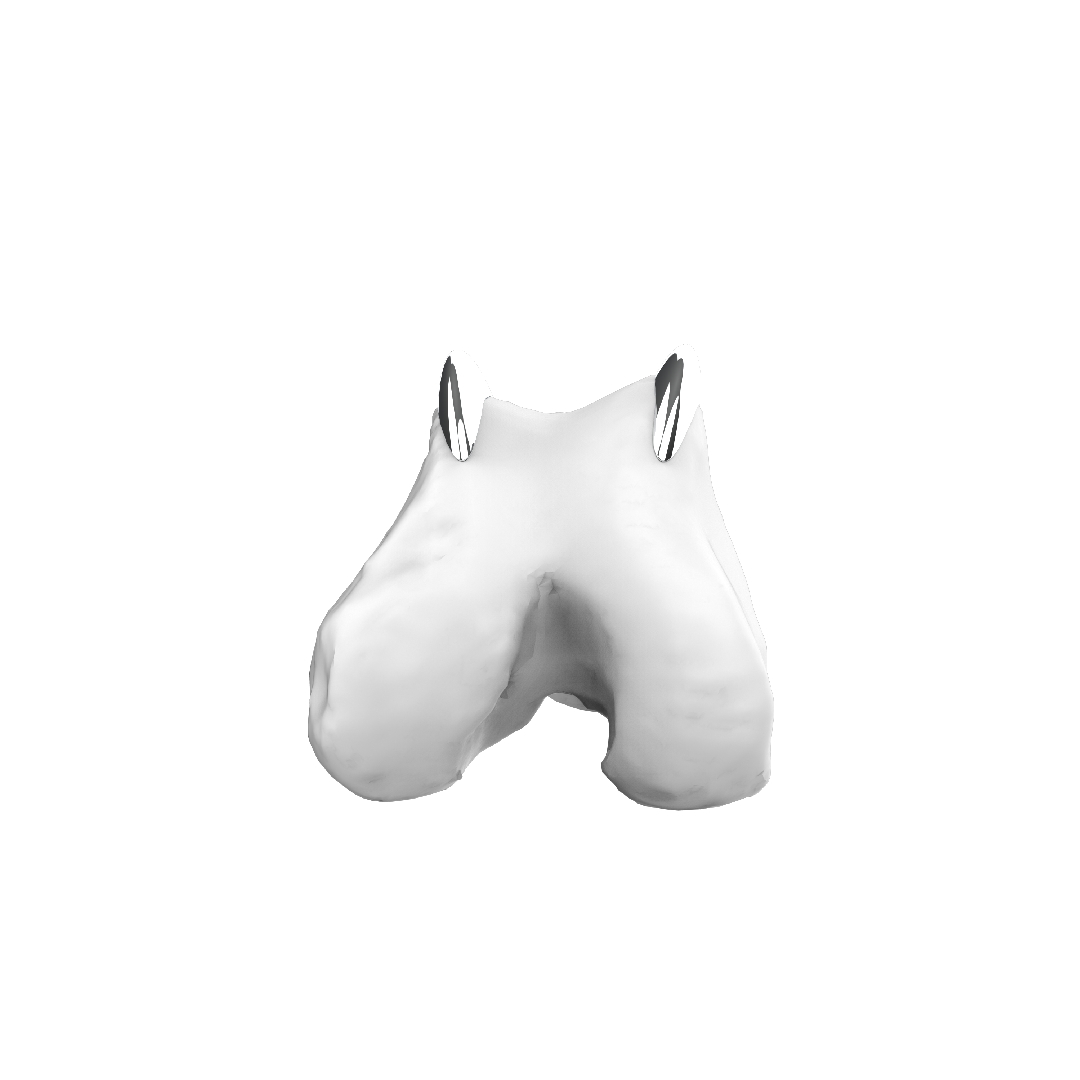
TRP was designed to offer veterinary surgeons an additional tool for the treatment of patellar luxation.
TRP is a customized prosthetic implant that raises the trochlear ridges as needed, improving patellar containment in its anatomical position without altering the patient's anatomy.
TRP is an alternative to sulcoplasty, with the aim of reducing surgical invasiveness for the patient and shortening surgical time.
The prosthesis is designed from the three-dimensional reconstruction of the patient's bone, allowing the implant to adapt to the bone and not the other way around.
Order a TRP >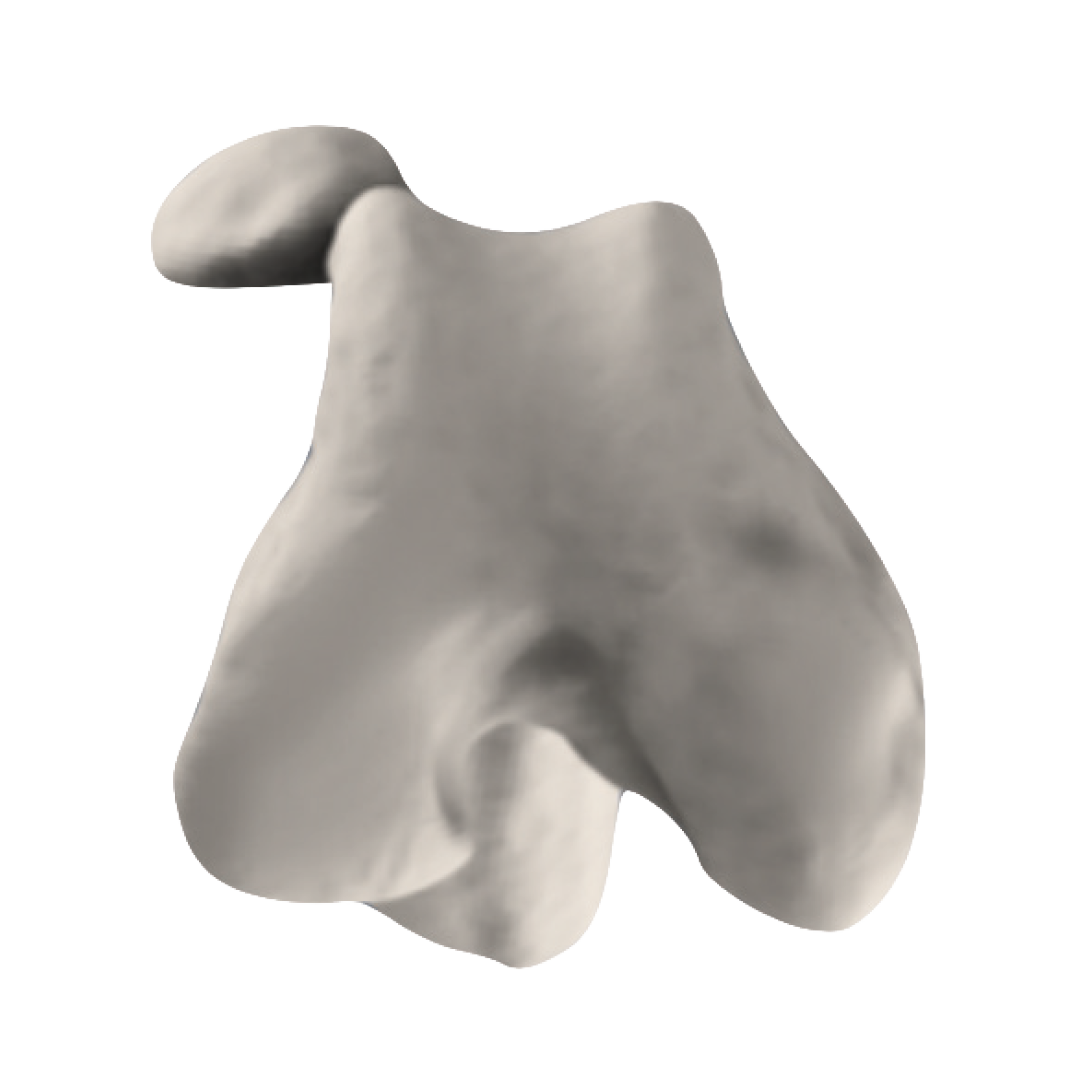
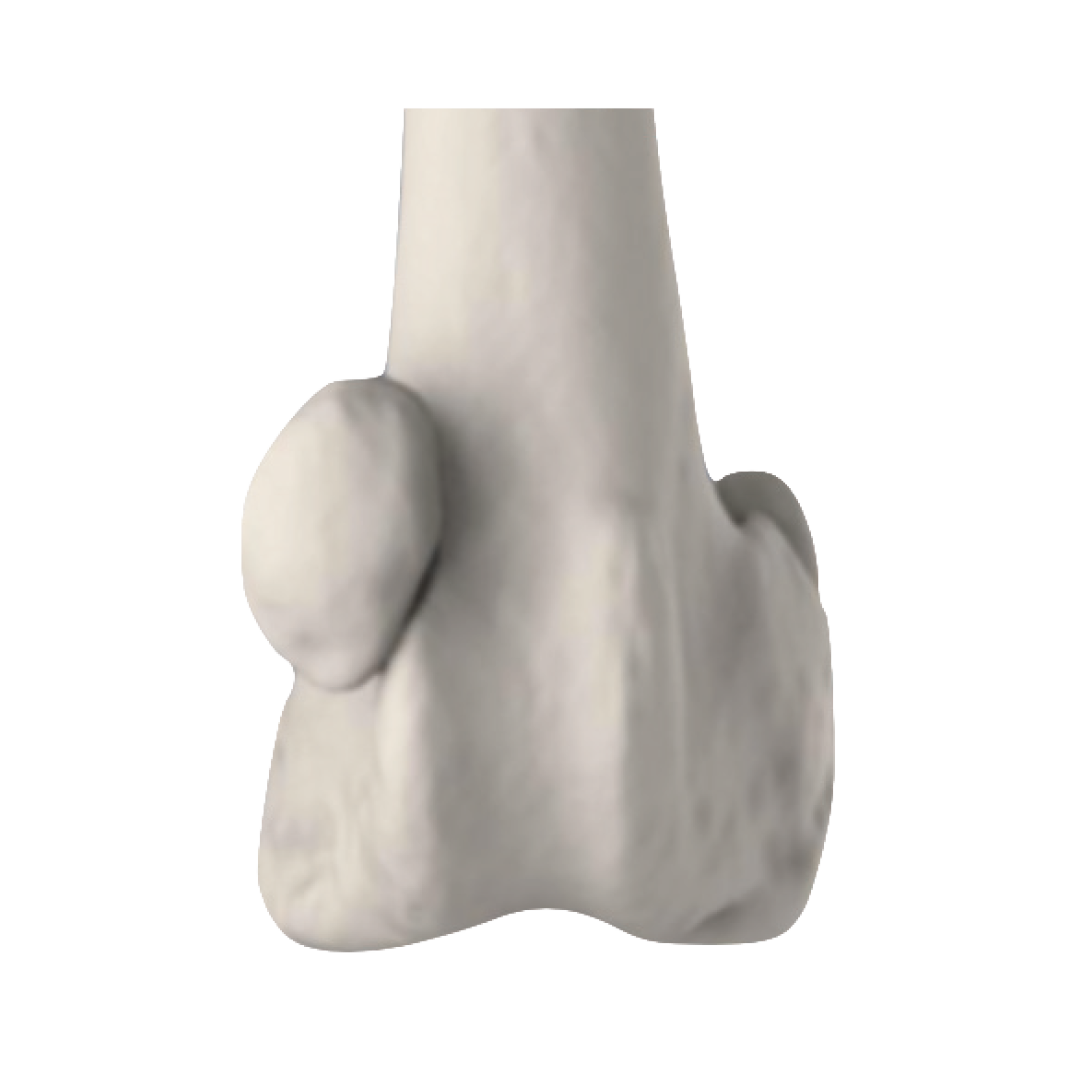
Patient CT scan (DICOM)
CT images are acquired and used to reconstruct the three-dimensional anatomy of the femur.
The data are uploaded through the dedicated form. The requested information, together with the CT scan, is essential to adapt implant design to the specific clinical case.
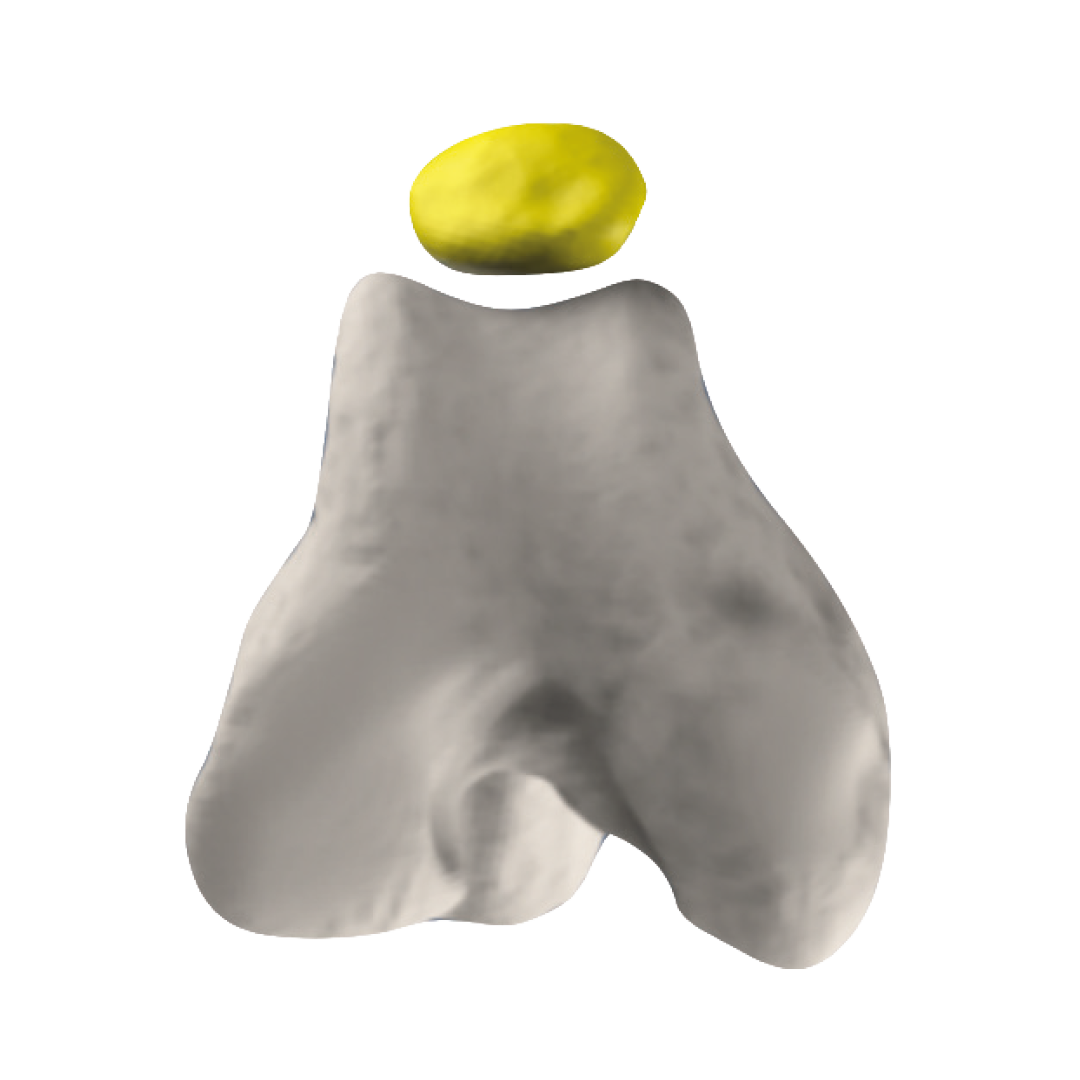
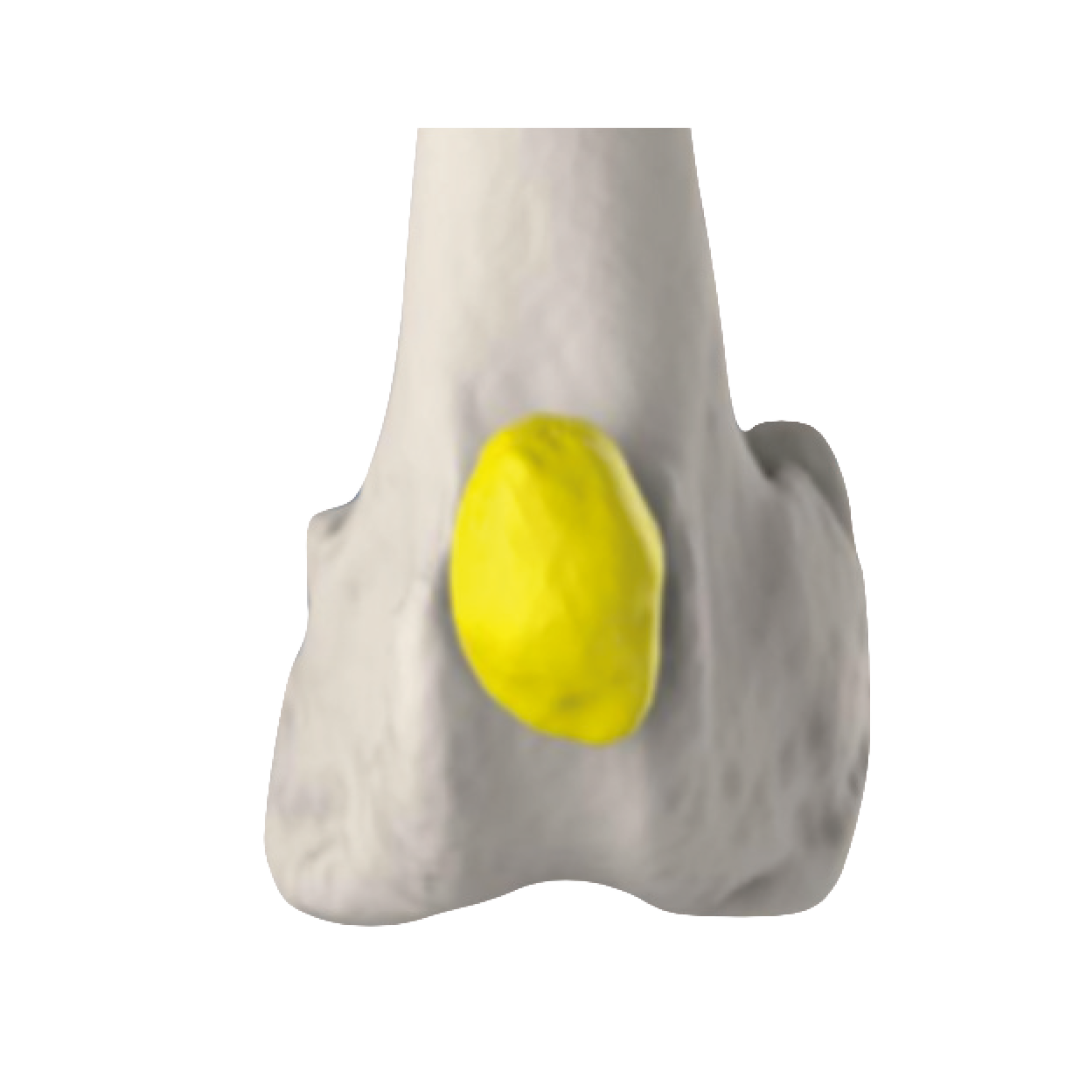
The patella is virtually repositioned in its anatomical seat to define the correct joint relationship.
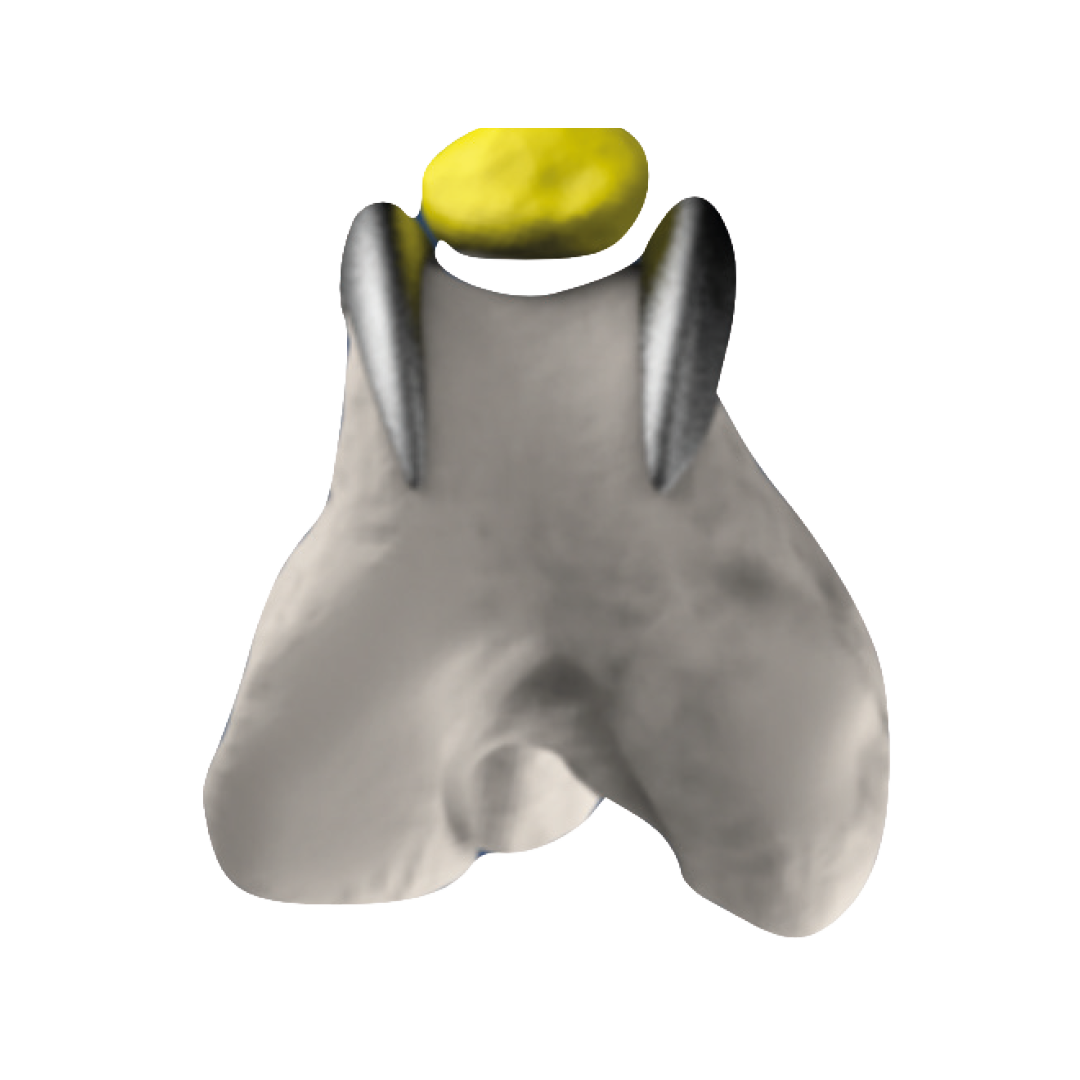
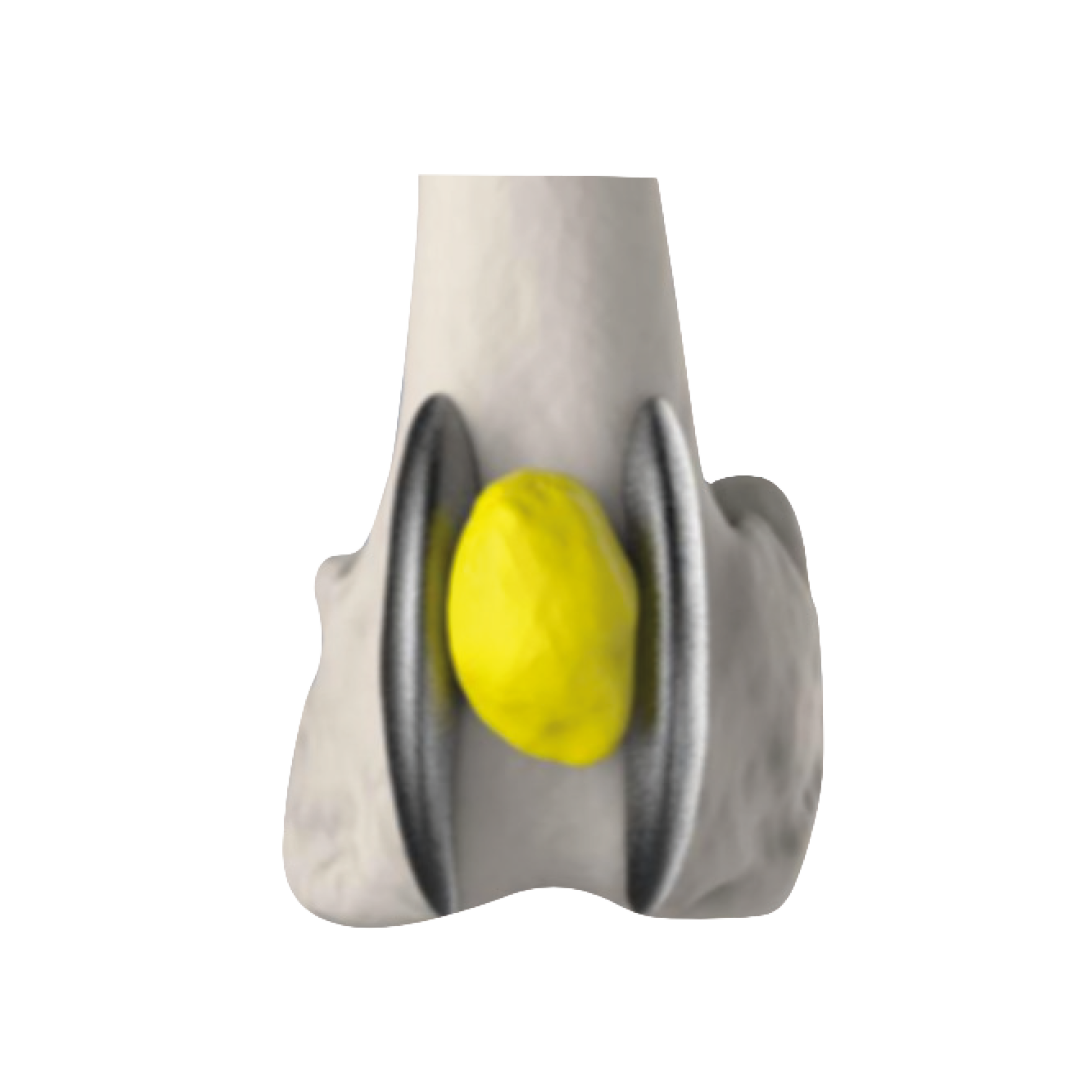
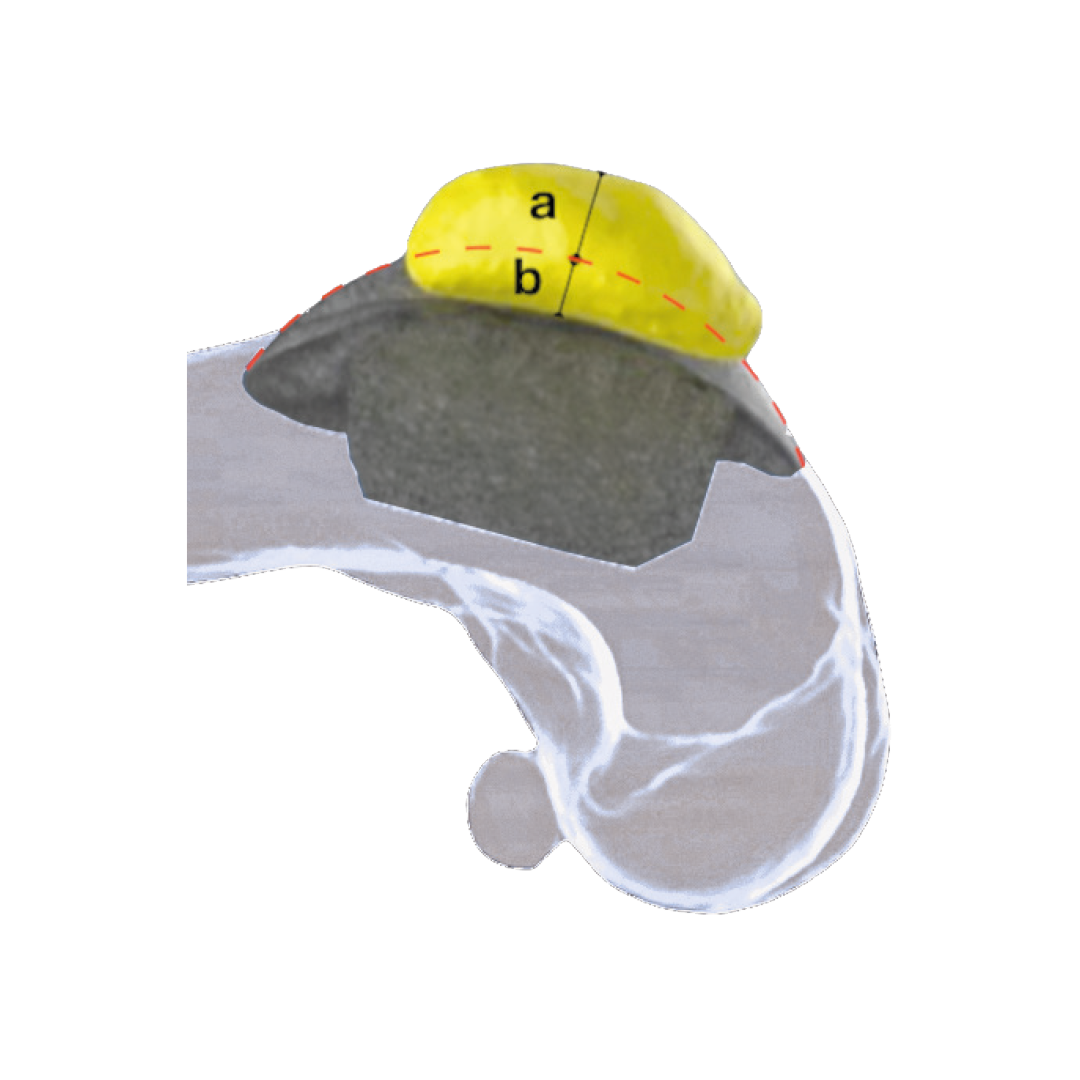
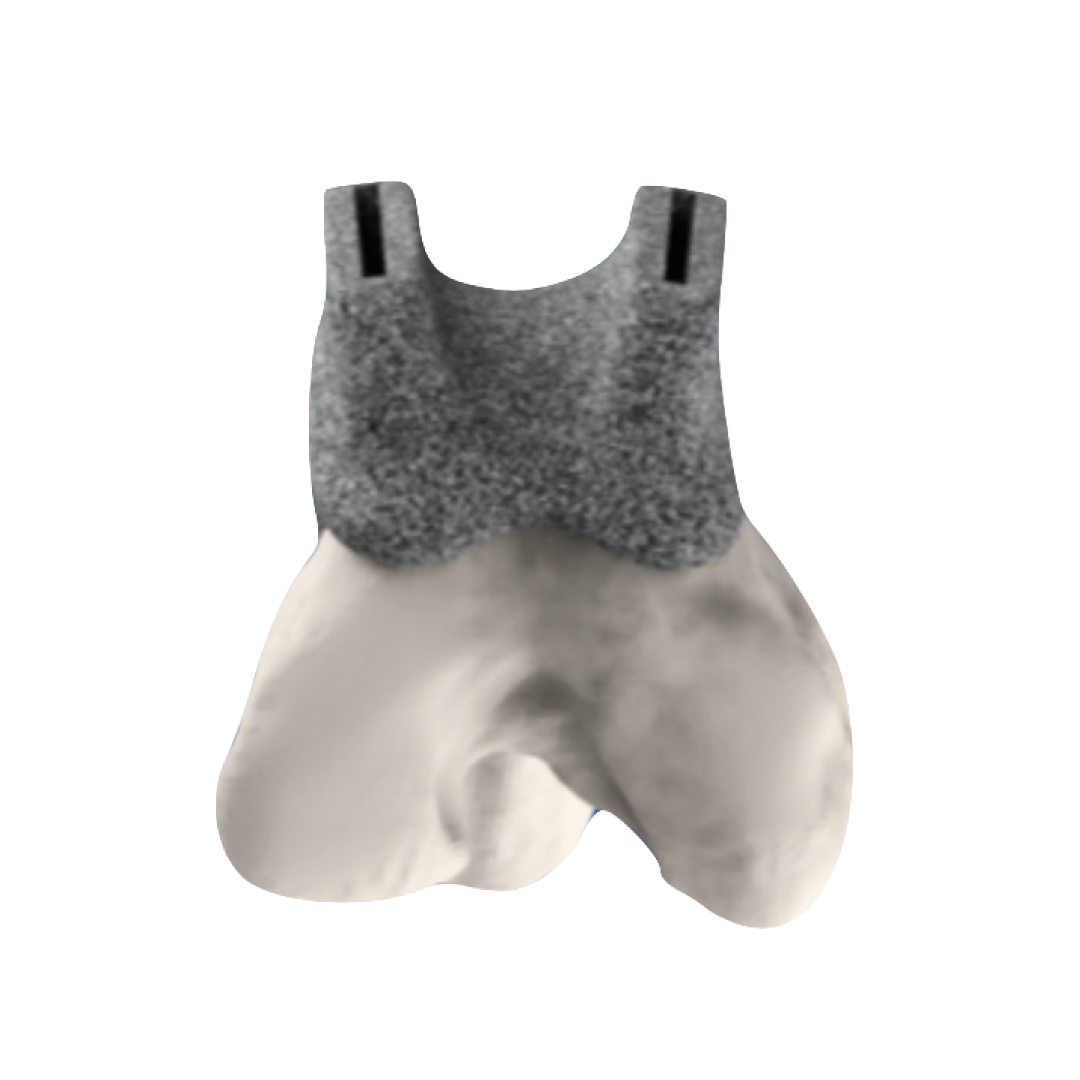
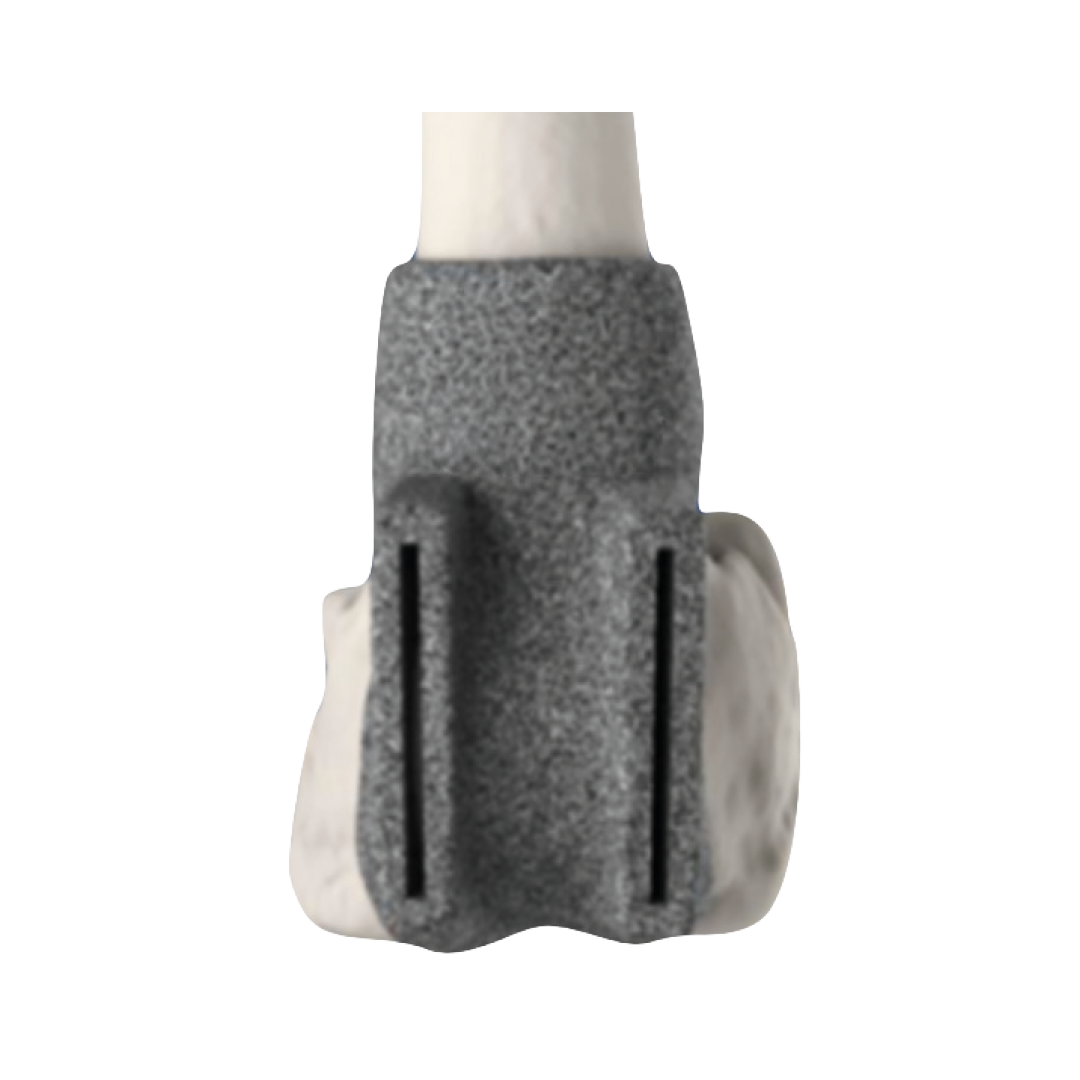
Development of the customized implant
The implant is designed on the basis of the patient's anatomy and correct patellar positioning. The approach is additive: the implant adapts to the bone without requiring osteotomies.
Customized surgical guide
A patient-specific guide is designed and manufactured to support accurate implant positioning during surgery. It is developed from the anatomical reconstruction, manufactured in biocompatible Tough1500 resin, and autoclavable at 134°C.
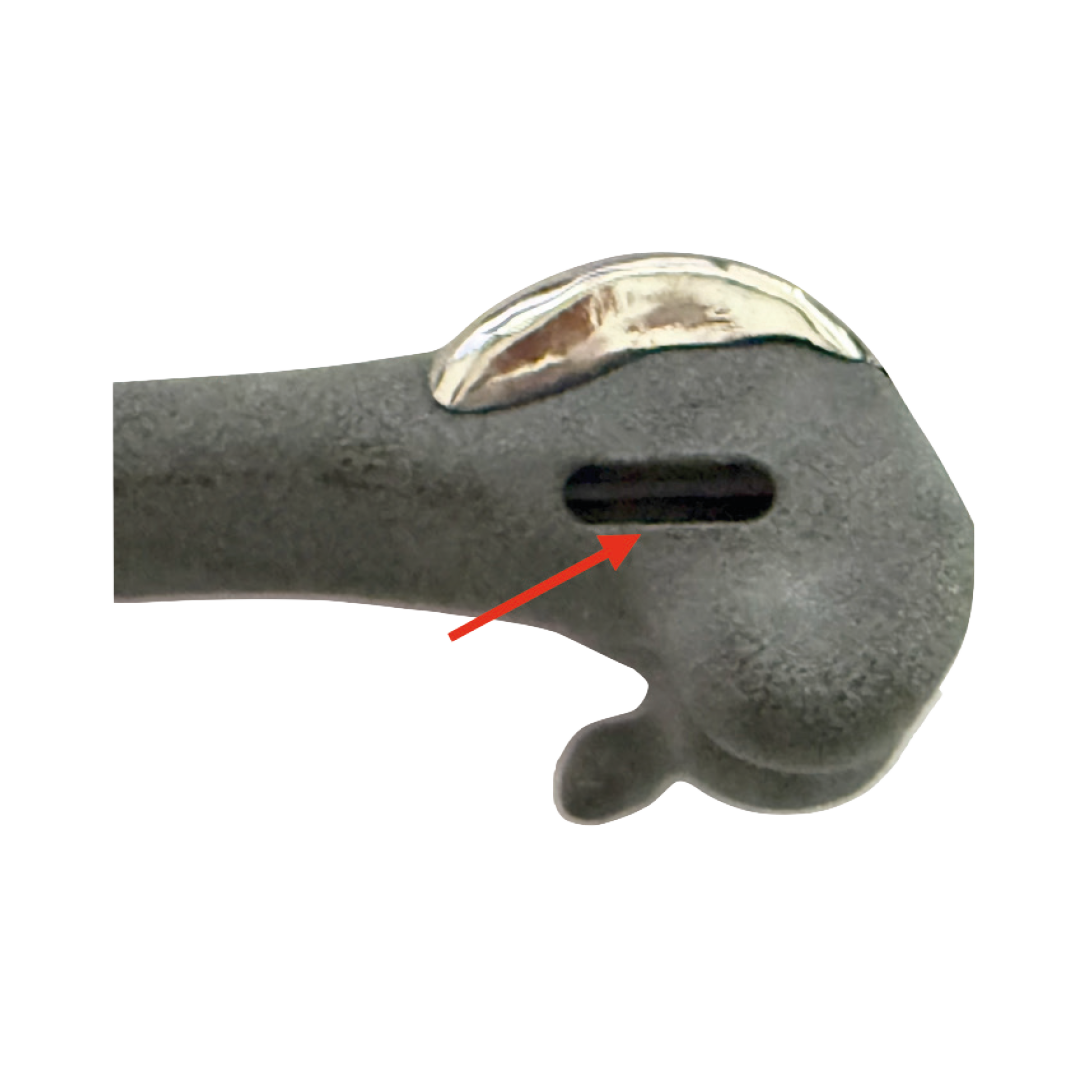
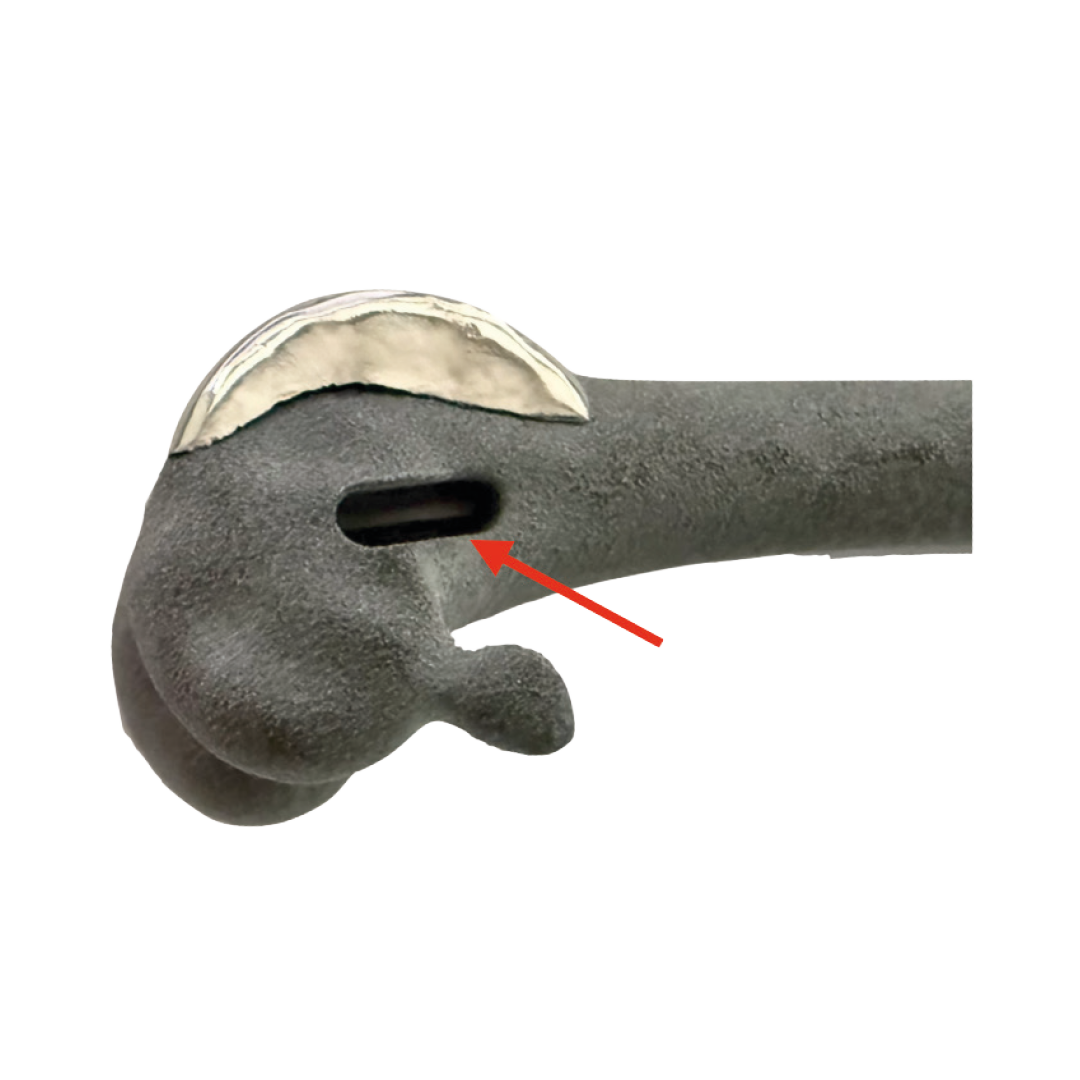
Recent models include a design slot to verify intraosseous peg depth during surgery.
This solution is particularly useful when TRP is associated with other procedures, such as DFO, where anatomical references and insertion depth control are essential.
It improves intraoperative management and makes implant positioning more controlled and repeatable.
*ELI (Extra Low Interstitials): reduced impurity content for improved biocompatibility, fatigue resistance and ductility compared with grade 5.